Vital Plumbing Solutions: Tips for Keeping Your Home's Systems Running Smoothly
Maintaining a residential plumbing systems is crucial for overall performance. Residents often encounter typical problems like inefficient fixtures, leaks, and clogs. Regular inspections can reveal these challenges before they become severe. Acknowledging the necessity of regular plumbing maintenance can bring about substantial savings and greater comfort. Still, numerous homeowners do not know how to select the ideal expert or what services are most critical. Considering these points can offer reassurance and understanding for homeowners.
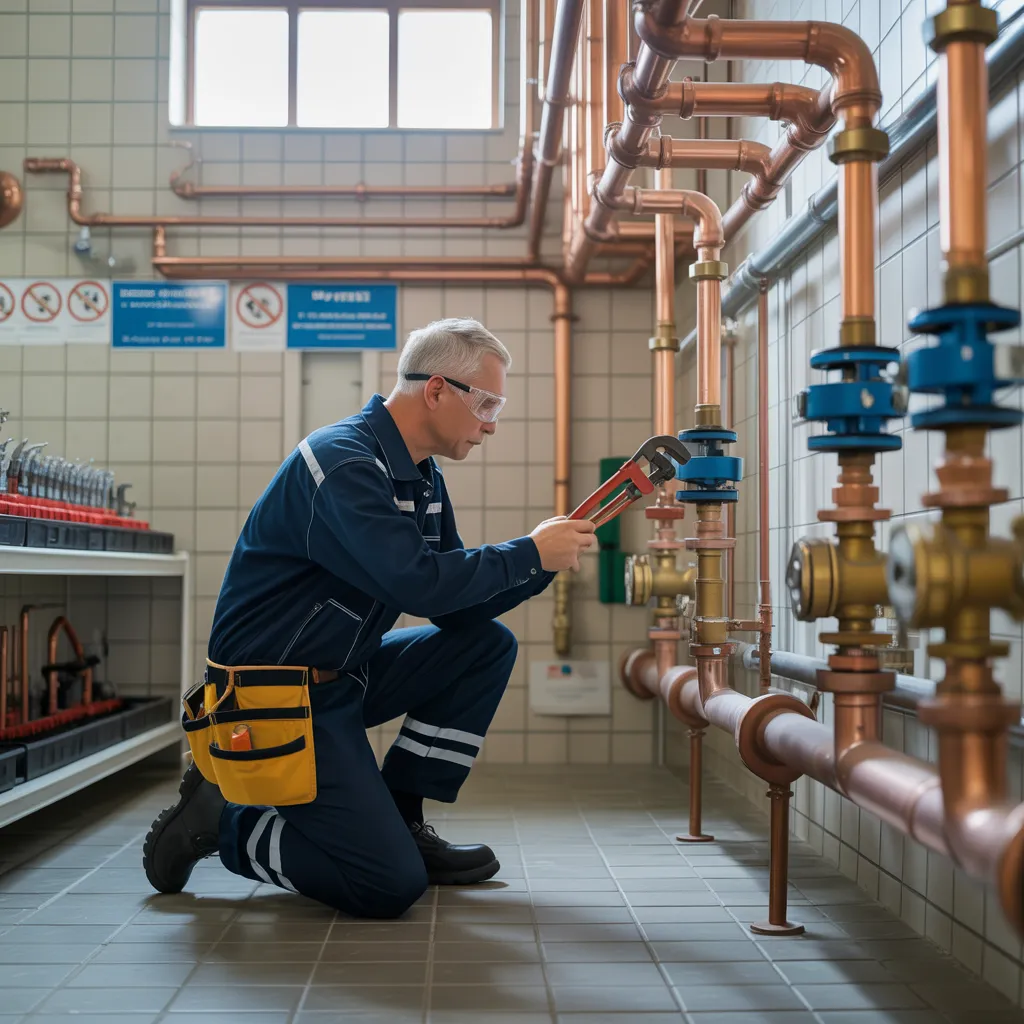
Common Plumbing Concerns Every Homeowner Faces
Homeowners often encounter numerous plumbing issues that can impact day-to-day living. Typical concerns involve faulty faucets, which not only result in water waste but also cause higher water bills. Clogged drains represent another recurring issue, typically resulting from hair, grease, or foreign objects obstructing the pipes. Additionally, toilet issues, like continuous running or ineffective flushing, can create significant inconvenience.
Water heater malfunctions can cause unreliable hot water delivery, affecting daily routines. Moreover, ruptured pipes may result in significant water destruction, demanding urgent intervention. Lastly, sewer line issues may lead to disagreeable odors and serious health concerns if left unattended. All of these concerns, if ignored, can develop into more significant complications, highlighting the importance of homeowners recognizing these frequent plumbing challenges.
Why Routine Plumbing Services Are Essential for Homeowners
Routine plumbing maintenance plays a critical role in keeping a home's plumbing system in optimal condition. Routine checkups and maintenance enable early detection of issues before they turn into significant repair costs. By resolving minor leaks, deterioration, and obstructions in a timely manner, property owners can protect their homes from serious damage.
Additionally, regular maintenance enhances the longevity of plumbing fixtures and appliances, ensuring they operate efficiently. This forward-thinking method not only minimizes expenses down the line but also promotes better water quality and reduces the risk of mold and mildew development.
Homeowners who commit to scheduled plumbing maintenance can enjoy peace of mind, knowing that their plumbing systems are operating efficiently. Furthermore, regular maintenance can contribute to higher property value, as future buyers commonly prioritize well-maintained plumbing systems. Ultimately, routine plumbing services are a vital component of responsible homeownership.
Critical Emergency Plumbing Services Worth Knowing About
What should you do when a plumbing emergency occurs? Homeowners frequently experience panic and distress, dealing with problems like burst pipes, flooding toilets, or serious leaks. To combat these challenges, several essential emergency plumbing services are fundamental. To begin with, round-the-clock emergency response is essential, making certain that support is on hand at all times. Additionally, water damage restoration services help reduce the effects of flooding, safeguarding your property and personal items. In addition, drain cleaning services effectively tackle sudden blockages resulting in backups, providing instant solutions. Leak detection services are equally important, locating concealed leaks before they develop into major issues. To conclude, sewer line repairs are capable of eliminating severe health dangers by addressing root infiltration or breakdowns. Knowing these top emergency plumbing services equips homeowners to act swiftly and effectively when crises arise, safeguarding their homes and peace of mind.
Selecting the Best Plumbing Expert
How can one guarantee they select the right plumbing professional for their needs? Commence your search by investigating nearby plumbers, giving preference to those with strong reviews and excellent ratings. A reliable plumbing professional must carry the appropriate licenses and insurance, guaranteeing conformity with local regulations and safeguarding against potential legal and financial risks.
Next, evaluate their expertise and focus areas. Certain plumbers may specialize in residential projects, while some concentrate on commercial systems or particular plumbing concerns. Gathering estimates from various experts can help assess costs and service offerings.
In the end, communication plays a vital role; a reliable plumber should be open and friendly, ready to answer questions, and deliver transparent explanations of the job at hand. By considering these factors, homeowners can make an informed choice about a plumbing professional who meets their specific needs and maintains the efficient performance of their plumbing infrastructure.
Helpful Tips for Preventing Plumbing Problems in Your Home
Selecting the right plumbing professional is only the first step in preserving a well-maintained plumbing system. Homeowners can employ a variety of proactive strategies to minimize plumbing problems. Regularly inspecting pipes for damage or wear is critical; early detection can save time and money. Furthermore, maintaining debris-free and grease-free drains will help ensure adequate water flow. It get started is recommended to install strainers in sinks and bathtubs to trap food particles and hair. Residents should also be mindful about what gets disposed of through toilets, refraining from flushing items that lead to blockages. Additionally, periodic maintenance, such as inspecting and flushing the water heater for sediment removal, can prolong its life. Finally, familiarizing yourself with the main water shut-off valve location is vital for responding to emergencies quickly. By applying these practices, residents can greatly reduce the likelihood of unforeseen plumbing issues.
What to Expect During a Professional Plumbing Inspection
When undergoing a professional plumbing inspection, homeowners can anticipate a detailed examination of their home plumbing systems. Professional inspectors routinely identify common issues such as corrosion, leaks, and clogs, while also supplying important maintenance advice. This assessment not only reveals present concerns but also assists in avoiding future plumbing issues.
Inspection Process Summary
A thorough plumbing evaluation is critical for safeguarding a home's plumbing system. In the course of the assessment, a certified plumber inspects various components, including plumbing fixtures, pipes, and connected appliances. The evaluation begins with a visual assessment to spot any visible concerns, followed by pressure evaluations to verify that no leaks exist within the system. The inspector may also make use of specialized camera equipment to assess inaccessible pipes, providing a complete view of the plumbing system. Water flow and drainage are tested to ensure optimal performance. Moreover, the inspector confirms conformity with local plumbing codes and regulations. Property owners are provided with a complete written report summarizing the findings, which assists with long-term upkeep and repairs. This forward-thinking method serves to avoid costly plumbing issues.
Common Problems Found
Recognizing frequent plumbing problems is a essential aspect of a professional inspection. During an assessment, technicians commonly search for pipe leaks, which can lead to water damage and mold growth. Blocked drains are another prevalent problem, often resulting from tree root intrusion or debris buildup. Additionally, aging fixtures, such as toilets and faucets, may exhibit signs of wear, including rust or corrosion. Inspectors also evaluate the water pressure throughout the system, confirming they remain within proper parameters, as both low and high pressure can signal deeper issues. Lastly, they evaluate the general state of the heating unit, looking for evidence of rust or leaks. Addressing these common issues early can mitigate the risk of severe damage and high repair costs down the line.
Recommended Maintenance Tips
Periodic plumbing inspections give homeowners with important information about the condition of their home systems. During a professional inspection, plumbers assess key components such as water heaters, pipes, and faucets. They look for leaks, blockages, and signs of corrosion, which can lead to costly repairs if neglected. Homeowners can receive advice about maintaining optimal performance, including routine water pressure checks and drain cleaning. Inspectors often evaluate the complete plumbing structure to identify potential issues before they escalate. It is beneficial to plan inspections every six to twelve months to ensure systems continue to function properly. By implementing these preventive measures, homeowners can increase the longevity of their plumbing and eliminate unforeseen plumbing crises.
Questions We Often Receive
When Should I Replace My Plumbing Fixtures?
Specialists suggest swapping out plumbing fixtures every 10 to 15 years, depending on usage and maintenance. Routine inspections can uncover signs of wear and tear, helping to maintain efficiency and avoid expensive repairs or water damage over time.
What Are the Warning Signs of Hidden Plumbing Leaks?
Signs of hidden plumbing leaks include water stains on walls or ceilings, unexplained increases in water bills, musty or damp smells, and a constant sound of running water. Identifying these issues early helps prevent additional damage and expensive repairs.
Can I Use Chemical Drain Cleaners Safely?
The use of chemical drain cleaners carries inherent risks; they can cause pipe damage and prove dangerous when used incorrectly. It is recommended to adhere to instructions closely or explore alternative approaches for removing clogs to ensure both safety and effectiveness.
How Do I Find My Main Water Shut-Off Valve?
To identify the main water shut-off valve, one should check along the inner perimeter of the house, commonly found in basements, crawl spaces, or garage areas. It usually appears as a circular or lever-style valve attached to the primary water line.
What Steps Should I Take During a Plumbing Emergency?
During a plumbing emergency, one should promptly shut off the main water supply, evaluate the extent of the problem, use towels or buckets to contain any leaks, and reach out to a licensed plumber for immediate assistance and repairs.